 Reven
Reven 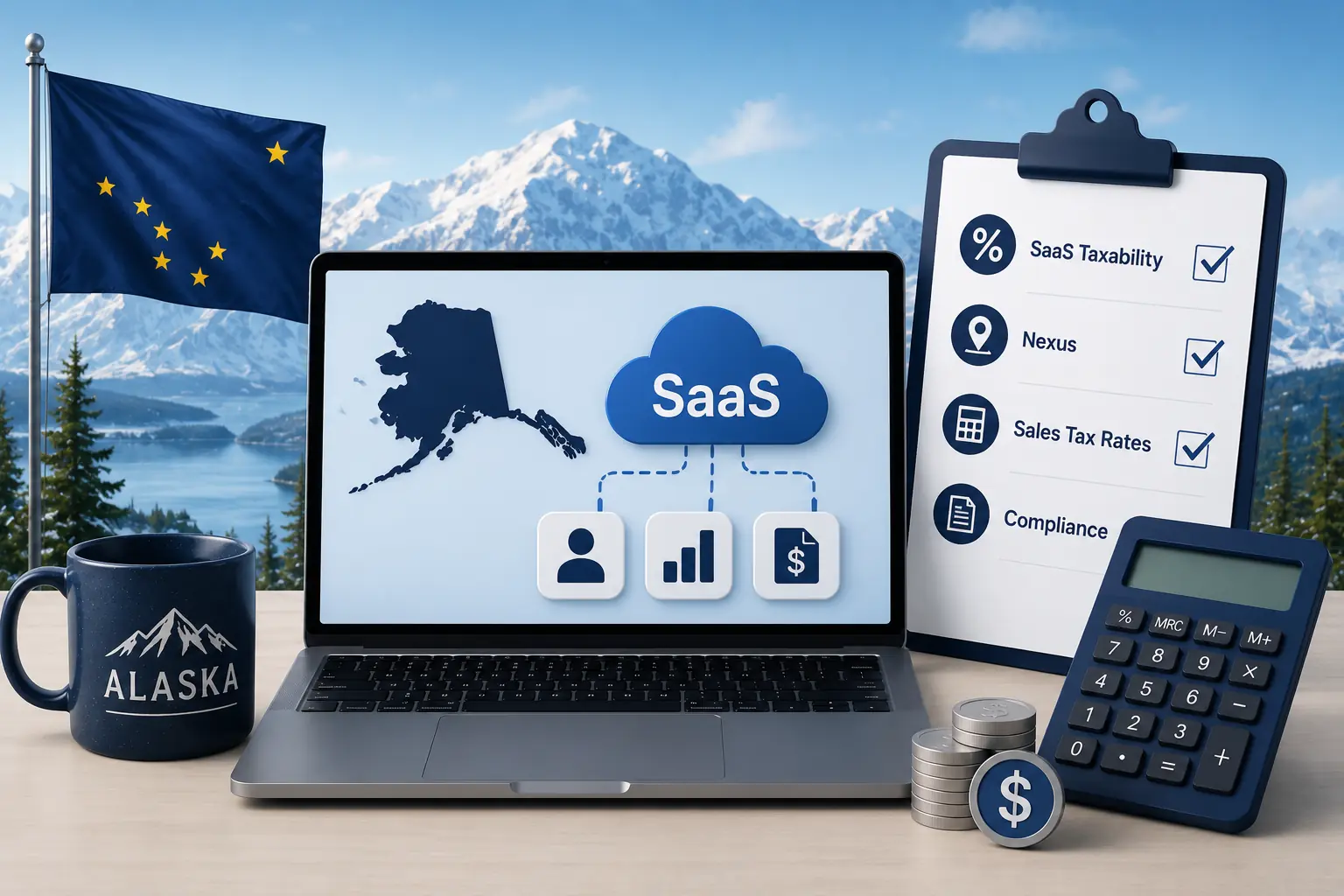
Navigating sales tax requirements for Software as a Service (SaaS) businesses presents unique challenges across different states. Alaska stands out with its distinctive tax structure that differs significantly from other states. Understanding the specific requirements for SaaS taxation in Alaska helps businesses maintain compliance while avoiding costly penalties. This comprehensive guide explores how Alaska SaaS sales tax regulations impact software companies operating in the Last Frontier state.
Understanding Alaska's Unique Tax Structure
Alaska operates under a fundamentally different tax system compared to most states. The state does not impose a statewide sales tax on any goods or services. This unique characteristic makes Alaska one of only five states without a general state sales tax. However, local jurisdictions maintain the authority to establish their own tax regulations.
Local municipalities across Alaska can implement their own sales tax ordinances. These local taxes typically apply to tangible personal property rather than digital services. The absence of state-level taxation creates a more straightforward environment for SaaS businesses. Most digital services, including software subscriptions, remain untaxed at both state levels.
The local tax landscape varies significantly across different Alaskan communities. Some municipalities choose not to implement any local sales taxes. Others may focus their taxation efforts on specific types of transactions or businesses. Understanding these local variations becomes crucial for businesses with physical presence in specific jurisdictions.
Is SaaS Taxable in Alaska?
SaaS products generally remain exempt from taxation in Alaska due to the state's unique tax structure. The absence of statewide sales tax means most cloud-based software services operate without tax obligations. This exemption applies to subscription-based software, cloud computing services, online applications.
Local jurisdictions rarely extend their tax authority to cover digital services like SaaS. Most local tax ordinances focus on tangible goods rather than intangible digital products. Software delivered electronically typically falls outside the scope of local taxation frameworks. This creates a favorable environment for SaaS businesses operating in Alaska.
However, businesses should monitor local tax developments in jurisdictions where they maintain physical presence. Some municipalities might update their tax codes to include digital services. Regular compliance reviews help ensure continued adherence to any changing local requirements. Professional tax consultation provides additional security for complex business situations.
The classification of SaaS as a service rather than tangible property supports its tax-exempt status. Alaska's tax framework traditionally focuses on physical goods rather than digital services. This distinction helps protect SaaS businesses from unexpected tax liabilities. Alaska sales tax regulations continue to favor digital service providers.
Automate Alaska Sales Tax Compliance with Reven
Managing sales tax compliance across multiple jurisdictions requires sophisticated tools and expertise. Reven provides comprehensive automation solutions specifically designed for SaaS businesses operating in Alaska. The platform streamlines compliance processes while reducing administrative burden on internal teams.
Automated tax calculation ensures accurate assessments across different local jurisdictions. Reven's system continuously updates to reflect changing local tax requirements. Real-time compliance monitoring helps businesses stay ahead of regulatory changes. This proactive approach minimizes risk exposure while maintaining operational efficiency.
The platform integrates seamlessly with existing business systems including billing platforms, accounting software, customer relationship management tools. This integration eliminates manual data entry while ensuring consistent tax treatment across all transactions. Automated reporting features simplify filing requirements for businesses with local tax obligations.
Comprehensive audit support provides additional protection during tax examinations. Reven maintains detailed transaction records with supporting documentation for all tax decisions. Professional expertise remains available for complex compliance questions specific to Alaska SaaS sales tax requirements. This support structure helps businesses navigate challenging tax situations with confidence.
Get a free nexus analysis and see which states you owe sales tax in: reven.co

CEO @Reven
Barkin Doganay is the Co-founder and CEO of Reven AI, an AI-native accounting and sales tax automation platform that automates bookkeeping, accounting, sales tax, and fractional accounting workflows end-to-end in a single system. Previously, he was the co-founder of Kintsugi AI, one of the fastest-growing sales tax automation startups in Silicon Valley. As a founder and operator, Barkin has deep expertise in accounting, bookkeeping, tax compliance, and AI-driven financial workflows for companies. He received his Bachelor of Science in Electrical Engineering & Computer Science and Bachelor of Arts in Economics from Yale University, and his MBA from Massachusetts Institute of Technology.